
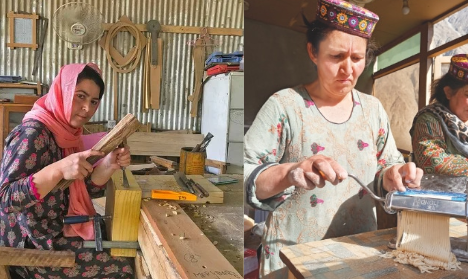
While only 23 percent of women in Pakistan are officially part of the workforce, Hunza’s women are pushing those boundaries. In the scenic Hunza Valley, women are not just joining the economy—they are running it. From operating carpentry workshops to leading tourism and hospitality hubs, female entrepreneurship has turned Hunza into a model of economic self-reliance.
The Foundation: A 97% Literacy Rate
The main reason for this change is education. In 1946, the Aga Khan network opened the first school for girls in the valley. Since then, many years of investment in education have greatly improved the social and economic conditions of the region. Hunza’s Literacy Rate: An incredible 97% for both men and women. The National Contrast: Globally and nationally, this outpaces Pakistan’s average literacy rates, which hover around 68% for men and 52.8% for women.
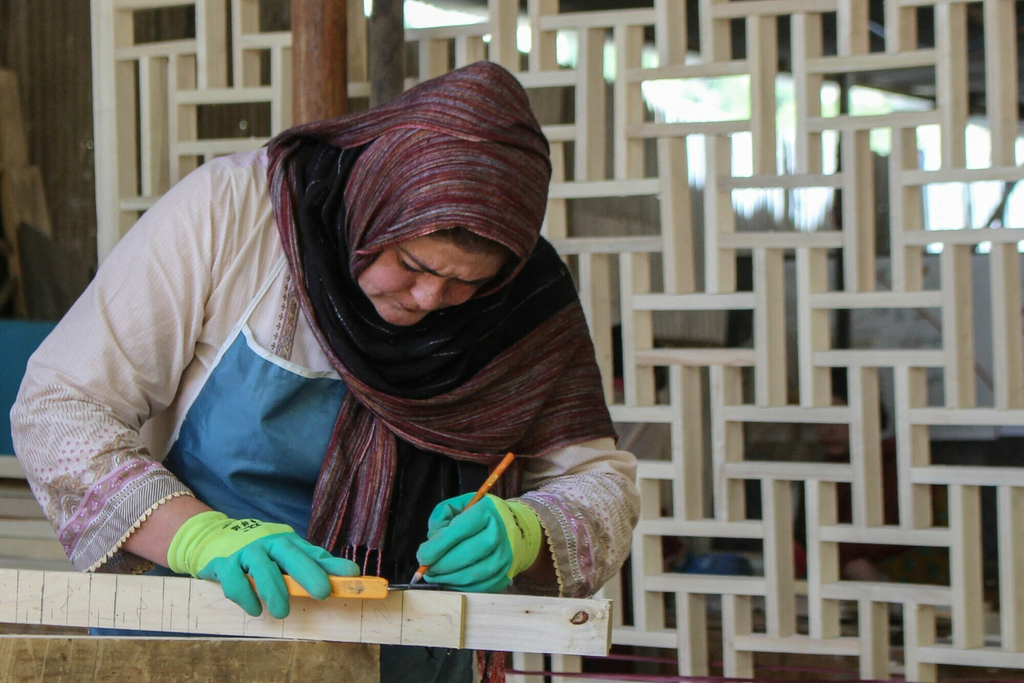
Breaking Traditional Barriers: The Women Carpenters
Woodworking in Pakistan has historically been a male-dominated field. However, local training centers like those funded by the Aga Khan Foundation changed that workflow completely.
The Case of Bibi Amina: She started her own carpentry business in 2008. Today, her company employs 22 people and has trained over 100 women in professional woodworking. Her female team now secures commercial contracts, building custom furniture for luxury hotels operating in the region.
Tourism & The Restaurant Revolution
The Bozlanj Café: Pioneered by local women entrepreneurs like Lal Shehzadi, this cafe serves traditional dishes and yaks’ meat, evolving into a major night-time tourist attraction.
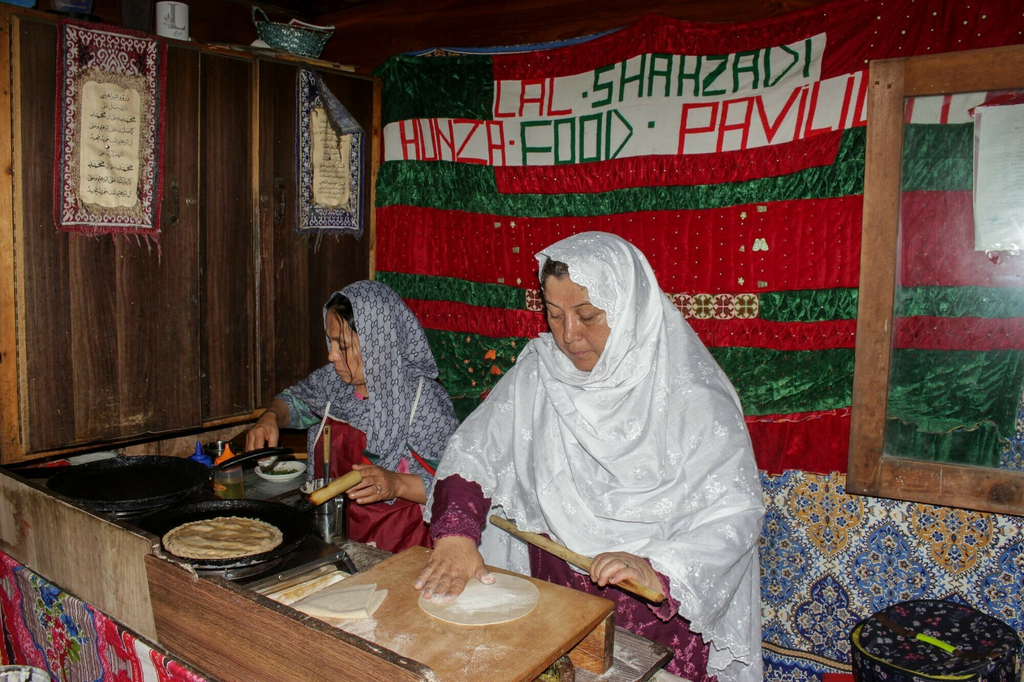
Job Creation: Starting as a solo project, the cafe now employs 11 people, mostly local women.
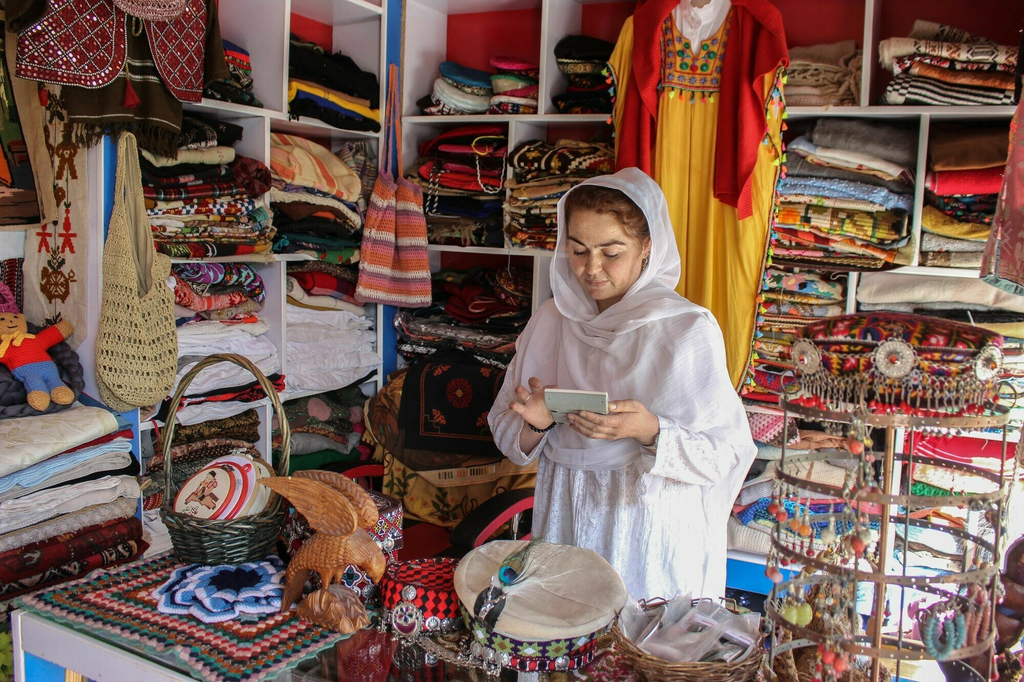
Income Multiplication: Following this trend, other female restaurant owners have seen dramatic financial growth.
For instance, entrepreneur Safina managed to transition from zero independent income to earning roughly $170 (PKR 47,000) a month. over 15 times what she previously brought home.
The Spillover Effect: Sports and Confidence
Economic power directly translates to cultural freedom. The financial independence of Hunza’s women has directly paved the way for young girls to excel in public spaces:
- Football Culture: Nearly every village across the valley (including Gojal, Gulmit, and Passu) now maintains its own active women’s soccer team.
- Scholarships & Growth: Young female athletes train openly, inspired by stars like Malika-e-Noor (former national vice-captain). They use sports as a direct channel to secure higher-education scholarships.
Why the Hunza Model Works
According to research from groups like the Karakoram Area Development Organisation, three unique elements make Hunza’s women-led economy thrive:
- High Literacy Rates: Education serves as the ultimate equalizer for financial confidence.
- Scarcity of Agricultural Land: Meager landholding forced families to diversify out of simple farming and embrace retail, tech, and services.
- Institutional Support: Sustained funding and skills training from the Aga Khan Rural Support Program built a steady safety net for early business owners.