
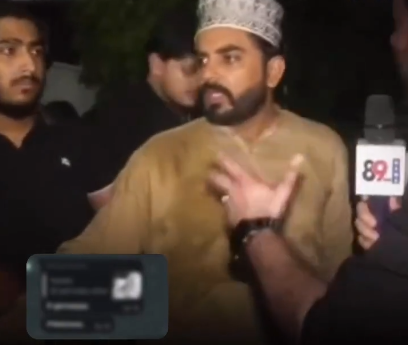
AI-generated obscene images
A man has been arrested for allegedly using AI-generated obscene images to blackmail multiple women, threatening to leak fabricated photos unless they met his demands. The victims are now demanding “strict legal action.”
But here’s the uncomfortable question nobody in a press conference wants to answer: strict under what, exactly?
This isn’t the first AI-generated harassment case this year, and it will not be the last. Deepfakes have already been used against female actors, ordinary women, and now blackmail victims, with zero technical literacy needed to become a target. Every time something like this happens, people react the same way: outrage, arrest, and a statement about justice. Then everything goes quiet until the next case happens and it reminds everyone that the law has not changed yet.
An Arrest Is just a Headline
Pakistan’s cybercrime law, PECA, was written for a world of leaked photos, not one where a predator can generate an entire fabricated image of you without ever touching a camera. The law criminalizes “obscene” digital content. An arrest is not accountability. It’s the opening scene. Real accountability looks like updated legislation that names AI-generated sexual content explicitly, fast-tracked cybercrime courts, and the part nobody wants to fund actual technical capacity in the FIA to investigate this stuff before it destroys someone’s life, not after.